Introduction to Trezor Login
Trezor Login is the official gateway for accessing your Trezor hardware wallet. Trezor devices, including Trezor One and Trezor Model T, are highly secure wallets designed to protect cryptocurrency assets from online threats. Unlike software wallets or exchange accounts, Trezor stores your private keys offline, significantly reducing the risk of hacking, phishing, and malware attacks.
This guide will cover everything about Trezor Login, from connecting your device and accessing your wallet, to performing secure transactions, backing up recovery phrases, and integrating with third-party wallets. By following these instructions, both beginners and experienced users can ensure their digital assets remain secure.
Why Trezor Login is Important
Trezor Login provides a secure entry point for accessing your cryptocurrency portfolio. Since your private keys never leave the device, login is necessary to verify ownership, sign transactions, and manage assets safely. Trezor Login is more than a simple authentication step—it is an essential part of cryptocurrency security.
- Secure Access: Prevents unauthorized access to your crypto holdings.
- Device Verification: Confirms that you are interacting with a legitimate Trezor device.
- Transaction Authorization: Only approved transactions are signed and sent.
- Portfolio Management: Access balances, send/receive crypto, and monitor performance safely.
Getting Started with Trezor Login
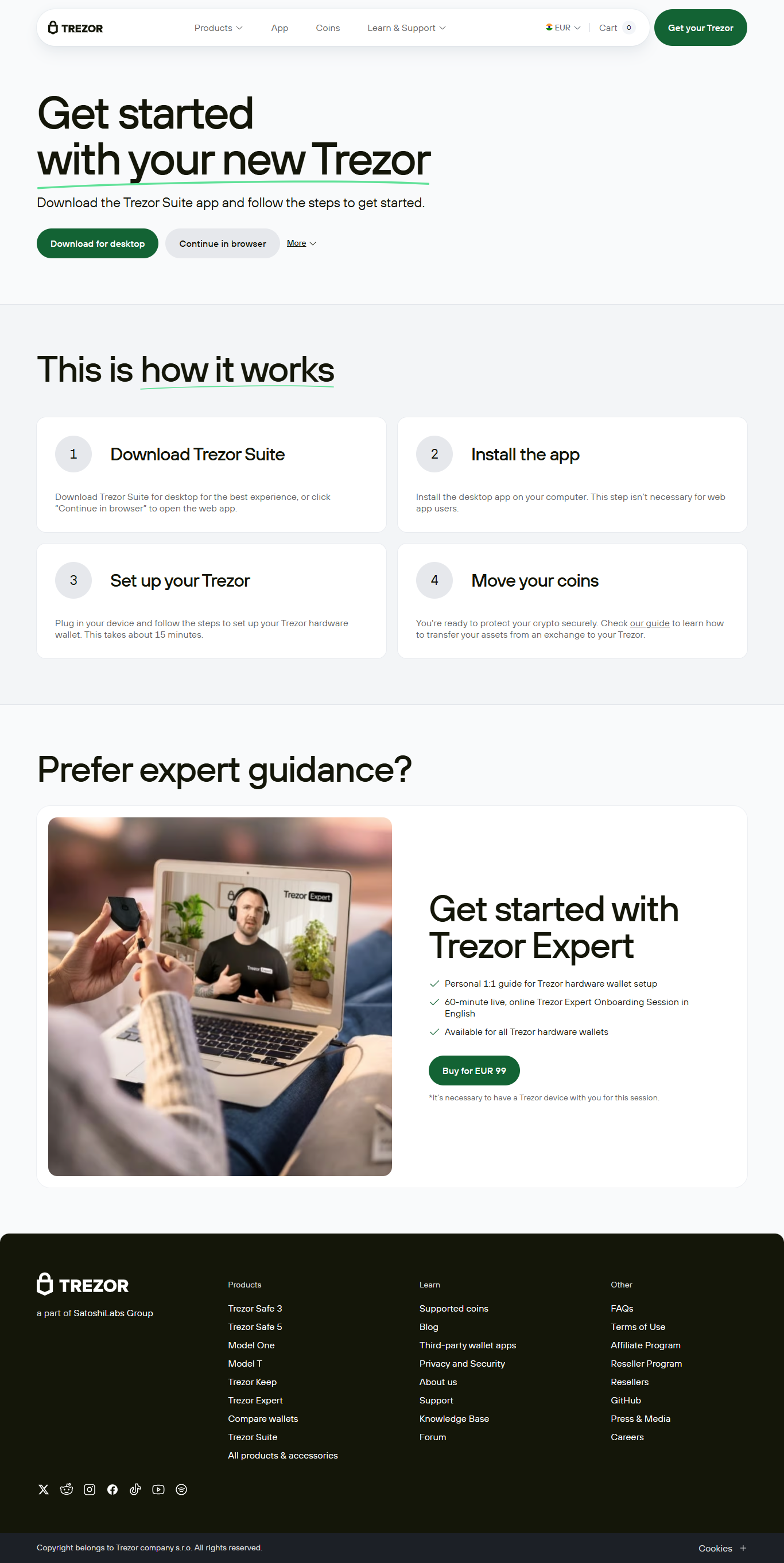
To start using your Trezor wallet, follow the official login process at Trezor Login. The portal provides step-by-step instructions for beginners and experienced users alike. Here’s a detailed breakdown of the process:
Step 1: Connecting Your Trezor Device
Plug your Trezor device into your computer or mobile device using the provided USB cable. Modern Trezor devices support USB-C connections for improved compatibility. After connecting, your computer may prompt you to install Trezor Bridge or Trezor Suite, which are necessary to communicate with the wallet.
- Ensure the USB connection is secure.
- Use only the official cable provided with your device.
- Install Trezor Bridge if required for your operating system.
Step 2: Accessing Trezor Login
Navigate to Trezor Login. The login interface will prompt you to unlock your Trezor device by entering your PIN. The PIN is set during the initial setup of the device and is never stored online or transmitted over the internet.
- Always enter your PIN directly on the Trezor device for security.
- Do not disclose your PIN to anyone.
- If your device is lost, stolen, or damaged, your recovery phrase can restore access.
Step 3: Using Trezor Suite
Trezor Suite is the official desktop and web application that provides access to your crypto wallet. Once logged in via Trezor Login, you can manage multiple cryptocurrencies, send and receive funds, and view transaction history. Trezor Suite integrates seamlessly with your device for a smooth and secure experience.
- Check real-time balances and portfolio statistics.
- Install apps for supported cryptocurrencies.
- View and verify transaction details before signing.
- Export transaction history for record-keeping.
Security Measures for Trezor Login
Security is the core strength of Trezor devices. When using Trezor Login, the following measures ensure that your assets remain protected:
- PIN Authentication: Prevents unauthorized access even if your device is stolen.
- Recovery Seed: A 12- or 24-word phrase that can recover your wallet if the device is lost or damaged.
- Passphrase Protection: Adds an optional layer of security to your wallet.
- Offline Key Storage: Private keys never leave the device, minimizing online attack vectors.
Step 4: Backing Up Recovery Seed
During the initial setup, Trezor generates a recovery seed. This seed is essential for restoring access if your device is lost or compromised. Best practices for securing your recovery seed include:
- Never store your recovery seed digitally or online.
- Write it down using the official recovery card or a secure offline medium.
- Store it in a safe, secure location known only to you.
Step 5: Sending and Receiving Cryptocurrency
Once logged in, you can send and receive cryptocurrency safely. Trezor Login ensures that every transaction is verified and signed on the device, protecting against malware or unauthorized software attempts to manipulate your funds.
- Always confirm the recipient address on the device screen.
- Review transaction amounts before approving.
- Use Trezor Suite to track incoming and outgoing transactions.
Integrating with Third-Party Wallets
Trezor devices can integrate with third-party wallets such as MetaMask, MyEtherWallet, and Electrum. These integrations allow you to interact with decentralized applications (dApps), decentralized finance (DeFi) platforms, and multiple blockchain networks securely.
- Connect your Trezor device directly to the third-party wallet interface.
- Verify transactions and sign messages on the device itself.
- Ensure that you always access trusted wallet software to prevent phishing attacks.
Troubleshooting Trezor Login
Even though Trezor is designed for reliability, users may encounter issues. Common problems and solutions include:
- Device Not Recognized: Ensure Trezor Bridge is installed and use an official USB cable.
- Forgotten PIN: Use your recovery seed to restore your wallet on a new device.
- Browser Issues: Update your browser and clear cache; Trezor Suite desktop app can be used as an alternative.
- Recovery Seed Verification Failure: Double-check the words and order; recovery is case-sensitive.
Advanced Features with Trezor Login
Trezor Login opens access to advanced functionalities for experienced users, including:
- Managing multiple accounts for different cryptocurrencies.
- Customizing transaction fees for optimal speed.
- Using passphrase-protected hidden wallets.
- Interacting with DeFi and staking platforms securely.
- Monitoring detailed analytics for portfolio management.
Best Practices for Safe Login
To maintain maximum security during Trezor Login and daily use:
- Always use official Trezor software and portals.
- Never enter your PIN or recovery seed on a computer or phone that might be compromised.
- Regularly update firmware and Trezor Suite to the latest version.
- Consider enabling a passphrase for extra protection.
The Future of Trezor Security
Trezor continues to innovate with firmware updates, new devices, and integration with multiple blockchain networks. The company emphasizes user education through Trezor Login and associated documentation, ensuring that users remain informed and secure in the rapidly evolving cryptocurrency ecosystem.
Conclusion
Trezor Login is the gateway to securely managing your cryptocurrency assets. By connecting your device, using Trezor Suite, verifying transactions, and maintaining best security practices, users can confidently access and manage their portfolios. The combination of offline key storage, PIN authentication, recovery seed backup, and integration with third-party wallets makes Trezor Login one of the most secure methods for cryptocurrency management.
Whether you are a beginner or a professional trader, following the detailed instructions for Trezor Login ensures that your assets are protected from online threats, while giving you full control over your digital investments. With Trezor, security, convenience, and transparency go hand in hand, making it a trusted choice for millions of crypto users worldwide.